


Services
Accepting New Primary Care Patients
Vaccines (Price: Depends on the vaccination)
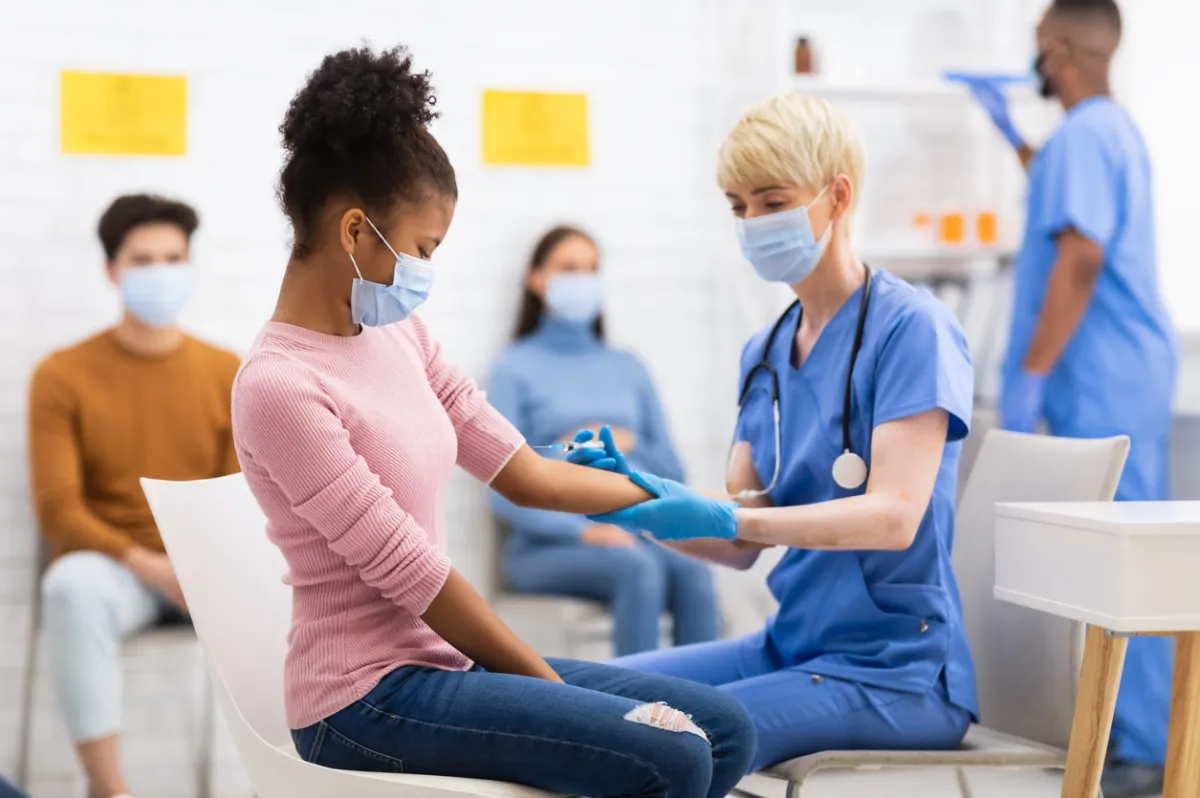
A vaccine is a medical treatment designed
to protect individuals from infectious
diseases by stimulating their immune
system to produce antibodies against
specific pathogens. Vaccines contain dead
or weakened forms of the pathogen or
pieces of the pathogen that can trigger a immune response but not cause disease.
When a person is vaccinated, their immune system responds to the vaccine by
producing antibodies that will recognize and fight the specific pathogen. This creates an immunological memory, which means if the person is exposed to the real pathogen in the
future, their immune system can quickly recognize and neutralize it before it can
cause illness. Vaccines have been a critical
tool in preventing the spread of infectious
diseases such as polio, measles, and
hepatitis. They have saved millions of lives
and helped to eradicate some of the world’s
deadliest diseases.
Primary care
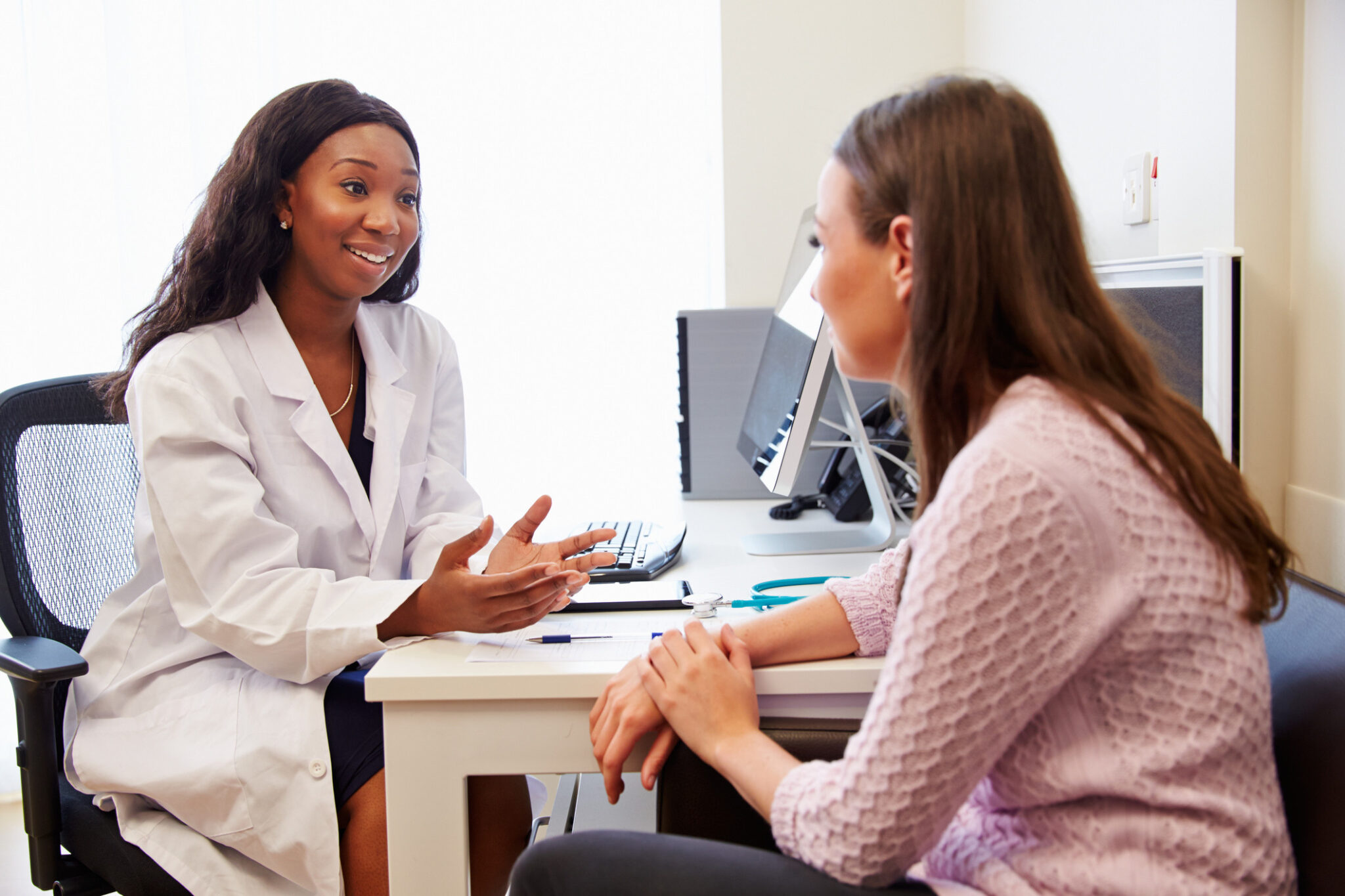

Primary care is established with a medical
provider to address a patient’s healthcare
needs. It includes preventive care, illness
care, wellness care, and treatment. This care
is provided by a PCP (primary care provider),
doctor, nurse practitioner, or physician
assistant.
DOT Exam and Drug Testing


A DOT exam, also known as a Department of Transportation exam, is a physical and
medical evaluation that ensures drivers are
fit to operate commercial vehicles. This exam
is designed specifically for drivers who hold
commercial driver’s licenses and operate
vehicles weighing over 10,000 pounds. The
exam involves a thorough medical history
review, a physical examination that tests
vision, hearing, blood pressure, and other
health indicators, and a urine test for drug
and alcohol use. The DOT exam is required
every two years to ensure commercial
drivers continue to meet the strict safety standards set forth by the Department of Transportation. Passing the DOT exam is a
critical requirement for commercial drivers
as it enables them to maintain their
commercial driver’s license, operate a
commercial vehicle, and earn a living.
TB Testing
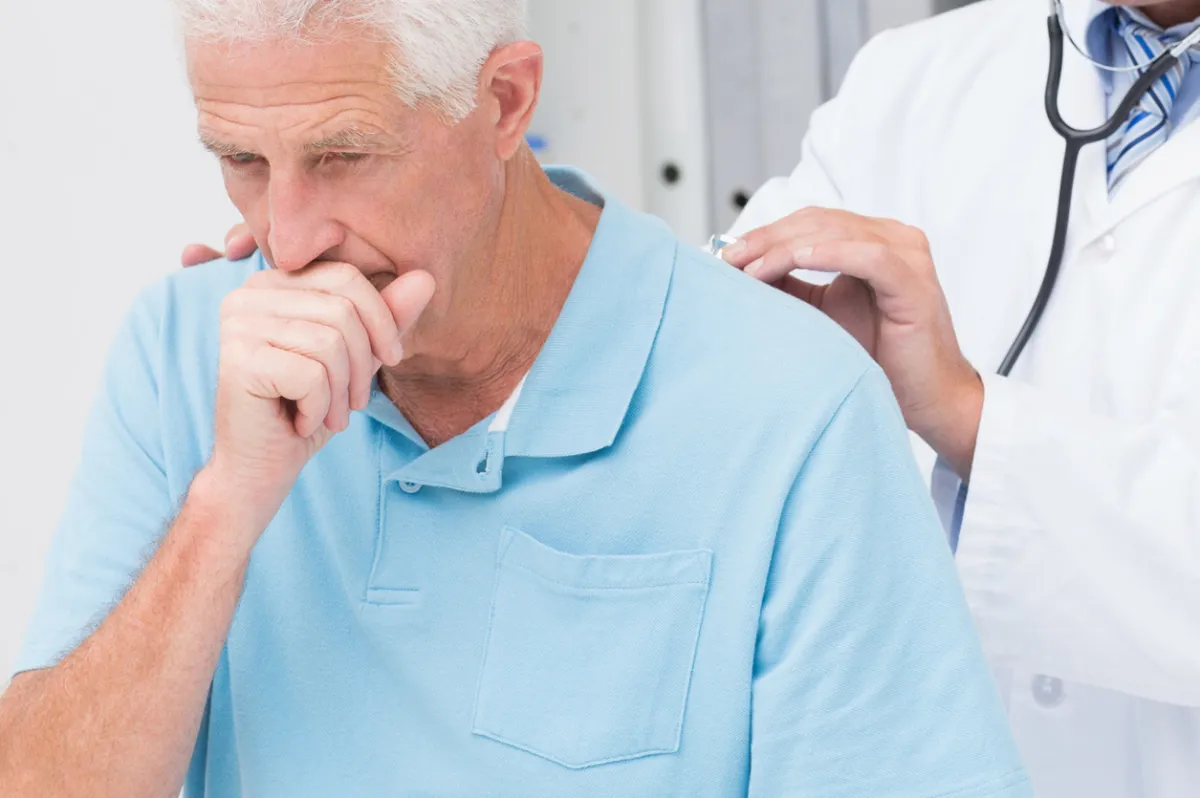
TB Testing, also known as a Tuberculosis
Test, is a medical procedure performed to
determine whether a person has been
exposed to the bacterium Mycobacterium
tuberculosis, which causes tuberculosis.
The most common type of TB testing is the
Mantoux test, which involves injecting a
small amount of purified protein derivative
(PPD) into the skin on the lower arm and
observing the area for a reaction within 48-
72 hours. The presence of a raised, firm, red
bump at the injection site indicates a
positive result, suggesting that the
individual has been infected with the
bacterium at some point in their life. A
positive TB test does not necessarily mean
that a person has the active disease, but it
may require further testing and treatment
to prevent the infection from progressing.
TB testing is often conducted as a routine
screening for healthcare workers,
individuals with a diagnosed HIV infection,
or those who have been in close contact
with someone who currently has active TB.
Urinary Tract Infection Testing
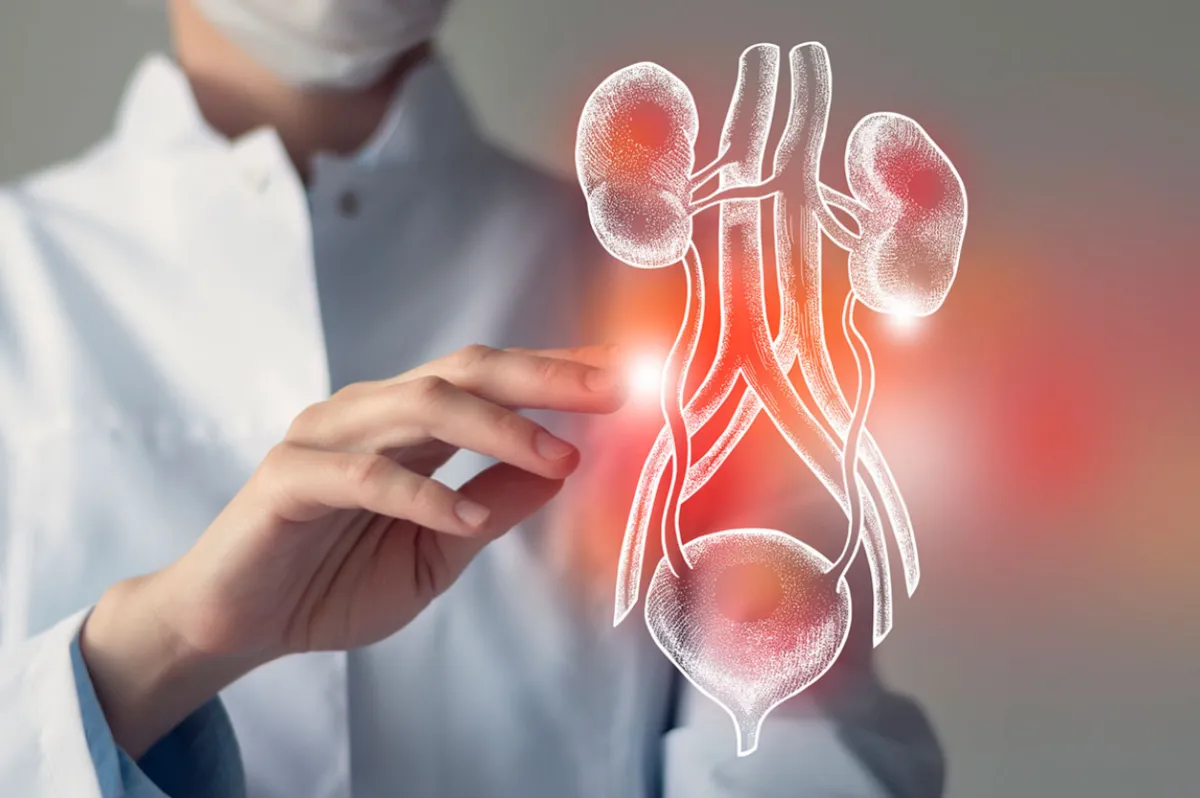

The urinary tract is a set of organs
responsible for producing, storing, and
eliminating urine from the body. It includes
the kidneys, ureters, bladder, and urethra.
The kidneys filter waste products and
excess water from the blood to produce
urine. The urine then travels through the
ureters to the bladder, where it is stored
until it can be eliminated from the body.
The urethra is a small tube that connects
the bladder to the outside of the body,
allowing for the controlled release of urine.
Issues with the urinary tract can lead to discomfort or pain during urination,
frequent urination, or even infections. It is
important to maintain good urinary tract
health through proper hydration and
hygiene practices, as well as seeking
medical attention if any concerning
symptoms occur.
Viral and Bacterial Illnesses


Illnesses and infections are health
conditions that affect the normal
functioning of the human body. Illnesses
refer to general health conditions that
affect bodily organs or functions, while
infections refer to diseases caused by
microorganisms like bacteria, viruses or
fungi. These conditions can be minor or
severe, but they all have the potential to
cause discomfort, pain, or even death. Common illnesses and infections include
the flu, the common cold, pneumonia,
meningitis, tuberculosis, and HIV/AIDS.
Symptoms of these conditions can include
fever, weakness, body aches, coughing,
nausea, vomiting, and diarrhoea. Most
infections and illnesses can be prevented
by maintaining good hygiene, eating
healthy foods, and exercising regularly.
Treatment for these conditions usually
involves addressing the underlying cause,
managing symptoms, and administering
antibiotics or antiviral medications where
appropriate.
CNA Training
CNA (Certified Nurse Assistant) training is a crucial step towards a fulfilling career in healthcare. CNAs work under the
supervision of registered nurses (RNs) and
assist patients with daily living tasks such
as bathing, dressing, and feeding. The
training typically involves theoretical and
practical components, and covers a range
of topics including anatomy, infection
control, emergency procedures, vital signs
monitoring, and communication skills.
Students may also complete clinical
rotations in healthcare facilities to gain
hands-on experience. After completing the
training, students must pass a state certification exam to become a certified
CNA. This certification is often a
requirement for employment in hospitals,
long-term care facilities, and other
healthcare settings. A career in CNA offers
job security, steady income, and the
opportunity to make a positive impact on
the lives of patients.
House Call Visits ( The cost depends on the visit reason)

A medical house call visit involves a doctor
or healthcare provider visiting a patient in
their home instead of the patient going to a
medical facility. This service is particularly
helpful for elderly or disabled patients,
patients with chronic conditions, or those
who cannot leave their homes due to
mobility issues. During the visit, the
healthcare provider performs a physical
examination, provides medical advice, and
administers treatments as necessary.
Medical house calls also allow for more
personalized care as the healthcare
provider can assess the patient’s living
conditions and make appropriate recommendations for improvements.
Additionally, it saves the patient time and
money as they do not have to make
transportation arrangements or pay for
parking fees. Overall, medical house calls
provide convenience, comfort, and
comprehensive care for patients in need.
CPR Training
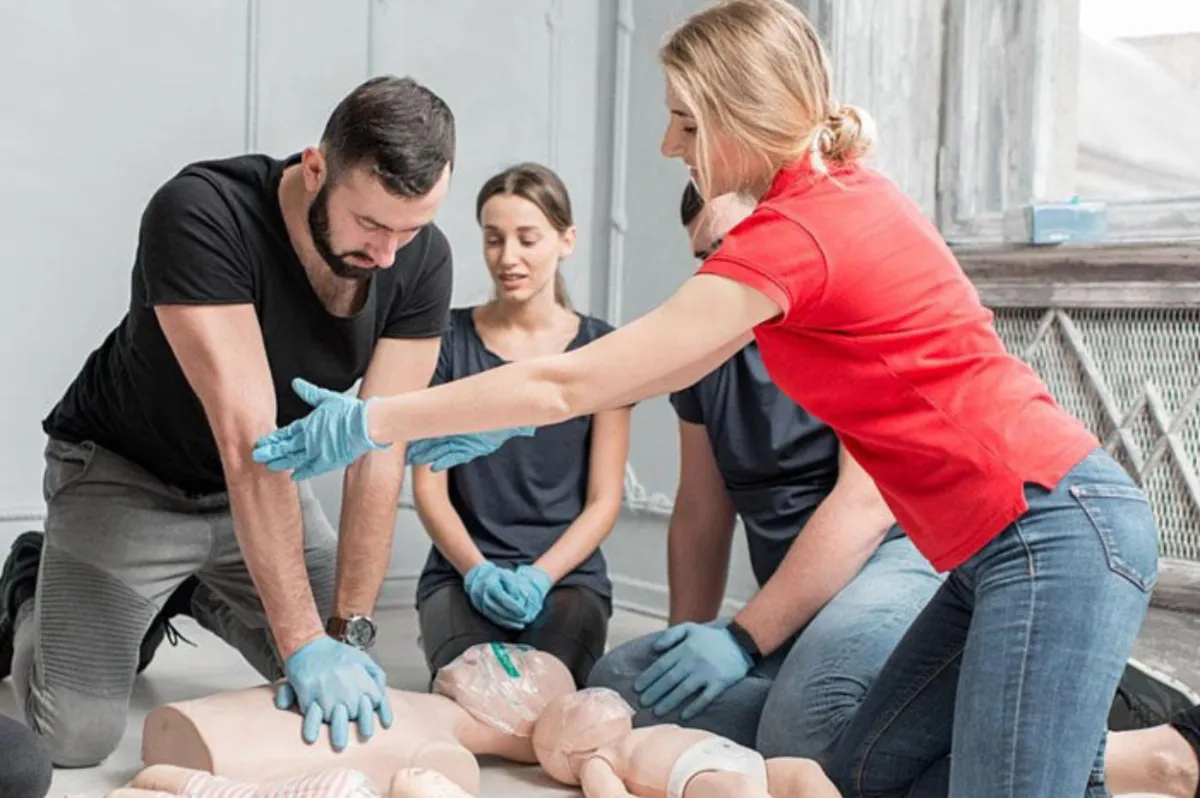
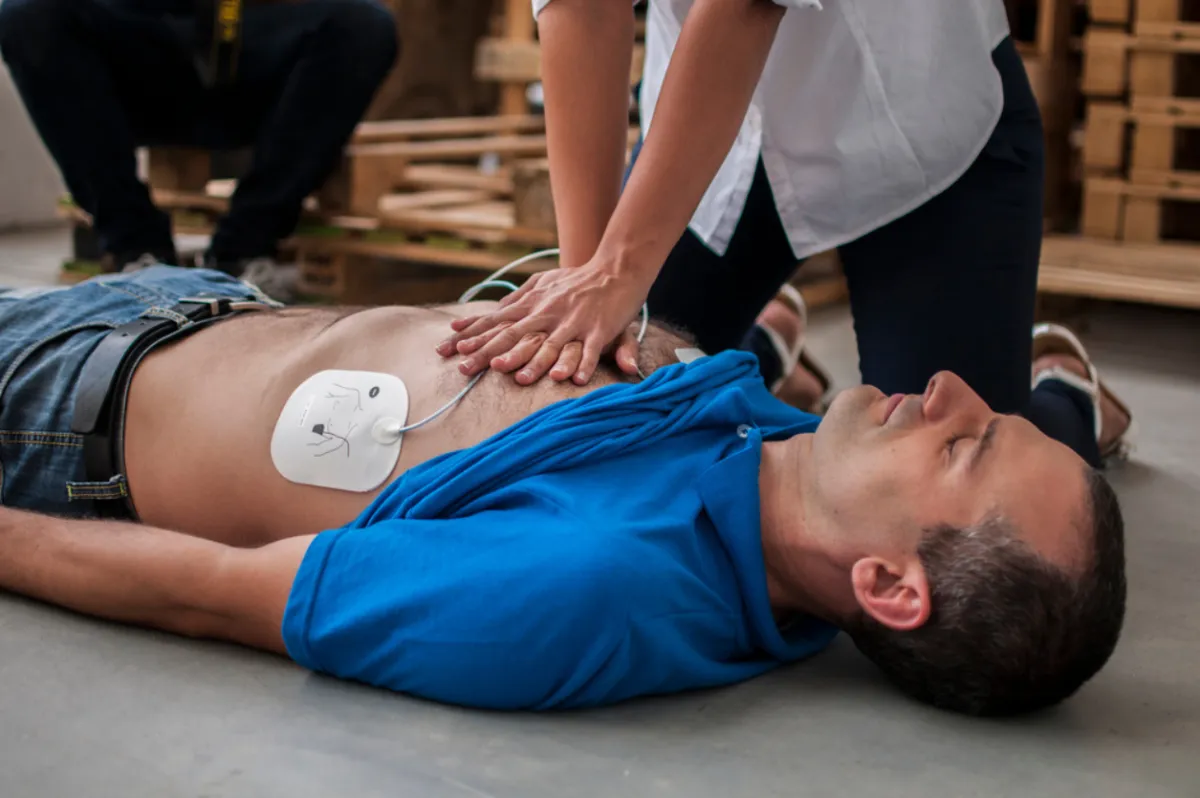
CPR (Cardiopulmonary Resuscitation)
training is a crucial life-saving skill that
teaches individuals how to respond in an
emergency situation where someone is
experiencing cardiac arrest or other
breathing difficulties. The training teaches
learners how to perform chest
compressions, clear blocked airways,
provide rescue breaths, and use
defibrillators. CPR is a vital skill that can help
maintain blood circulation and oxygen
supply to the vital organs until medical
assistance arrives, thereby increasing the
person’s survival rate. CPR training is
essential for anyone who works in
healthcare, emergency services, or
childcare, but it is also valuable for
everyday people, including parents,
teachers, and caregivers. The training can
be conducted in-person or online, and it
usually takes a few hours to complete. By
learning CPR, individuals can feel
empowered to take action during an
emergency and possibly save a life.
Preparation for a test
ensures success
To reduce your wait time, complete
the personal information on the form
in advance of most routine tests.
Our Services
Vaccines (Price: Depends on the vaccination)
A vaccine is a medical treatment designed to protect individuals from infectious diseases by stimulating their immune system to produce antibodies against specific pathogens. Vaccines contain dead or weakened forms of the pathogen or pieces of the pathogen that can trigger a immune response but not cause disease. When a person is vaccinated, their immune system responds to the vaccine by producing antibodies that will recognize and fight the specific pathogen. This creates an immunological memory, which means if the person is exposed to the real pathogen in the future, their immune system can quickly recognize and neutralize it before it can cause illness. Vaccines have been a critical tool in preventing the spread of infectious diseases such as polio, measles, and hepatitis. They have saved millions of lives and helped to eradicate some of the world’s deadliest diseases.
Primary care
Primary care is established with a medical provider to address a patient’s healthcare needs. It includes preventive
care, illness care, wellness care, and treatment. This care is provided by a PCP (primary care provider),
doctor, nurse practitioner, or physician assistant.
DOT Exam and Drug Testing
A DOT exam, also known as a Department of Transportation exam, is a physical and medical evaluation that ensures drivers are fit to operate commercial vehicles. This exam is designed specifically for drivers who hold commercial driver’s licenses and operate vehicles weighing over 10,000 pounds. The exam involves a thorough medical history review, a physical examination that tests vision, hearing, blood pressure, and other health indicators, and a urine test for drug and alcohol use. The DOT exam is required every two years to ensure commercial drivers continue to meet the strict safety standards set forth by the Department of Transportation. Passing the DOT exam is a critical requirement for commercial drivers as it enables them to maintain their commercial driver’s license, operate a commercial vehicle, and earn a living.
TB Testing
TB Testing, also known as a Tuberculosis Test, is a medical procedure performed to determine whether a person has been exposed to the bacterium Mycobacterium tuberculosis, which causes tuberculosis. The most common type of TB testing is the Mantoux test, which involves injecting a small amount of purified protein derivative (PPD) into the skin on the lower arm and observing the area for a reaction within 48-72 hours. The presence of a raised, firm, red bump at the injection site indicates a positive result, suggesting that the individual has been infected
with the bacterium at some point in their life. A positive TB test does not necessarily mean that a person has the active disease, but it may require further testing and treatment to prevent the infection from progressing. TB testing is often conducted as a routine screening for healthcare workers, individuals with a diagnosed HIV infection, or those who have been in close contact with someone who currently has active TB.
Urinary Tract Infection Testing
The urinary tract is a set of organs responsible for producing, storing, and eliminating urine from the body. It includes the kidneys, ureters, bladder, and urethra. The kidneys filter waste products and excess water from the blood to produce urine. The urine then travels through the ureters to the bladder, where it is stored until it can be eliminated from the body. The urethra is a small tube that connects the bladder to the outside of the body, allowing for the controlled release of urine. Issues with the urinary tract can lead to discomfort or pain during urination, frequent urination, or even infections. It is important to maintain good urinary tract health through proper hydration and hygiene practices, as well as seeking medical attention if any concerning symptoms occur.
Viral and Bacterial Illnesses
Illnesses and infections are health conditions that affect the normal functioning of the human body. Illnesses refer to general health conditions that affect bodily organs or functions, while infections refer to diseases caused by microorganisms like bacteria, viruses or fungi. These conditions can be minor or severe, but they all have the potential to cause discomfort, pain, or even death. Common illnesses and infections include the flu, the common cold, pneumonia, meningitis, tuberculosis, and HIV/AIDS. Symptoms of these conditions can include fever, weakness, body aches, coughing, nausea, vomiting, and diarrhoea. Most infections and illnesses can be
prevented by maintaining good hygiene, eating healthy foods, and exercising regularly. Treatment for these conditions usually involves addressing the underlying cause, managing symptoms, and administering antibiotics or antiviral medications where appropriate.
CNA Training
CNA (Certified Nurse Assistant) training is a crucial step towards a fulfilling career in healthcare. CNAs work under the supervision of registered nurses (RNs) and assist patients with daily living tasks such as bathing, dressing, and feeding. The training typically involves theoretical and practical components, and covers a range of topics including anatomy, infection control, emergency procedures, vital signs monitoring, and communication skills. Students may also complete clinical rotations in healthcare facilities to gain hands-on experience. After completing the training, students must pass a state certification exam to become a certified CNA. This certification is often a requirement for employment in hospitals, long-term care facilities, and other healthcare settings. A career in CNA offers job security, steady income, and the opportunity to make a positive impact on the lives of patients.
House Call Visits ( The cost depends on the visit reason)
A medical house call visit involves a doctor or healthcare provider visiting a patient in their home instead of the patient going to a medical facility. This service is particularly helpful for elderly or disabled patients, patients with chronic conditions, or those who cannot leave their homes due to mobility issues. During the visit, the healthcare provider performs a physical examination, provides medical advice, and administers treatments as necessary. Medical house calls also allow for more personalized care as the healthcare provider can assess the patient’s living conditions and make appropriate recommendations for improvements. Additionally, it saves the patient time and money as they do not have to make transportation arrangements or pay for parking fees. Overall, medical house calls provide convenience, comfort, and comprehensive care for patients in need.
CPR Training
CPR (Cardiopulmonary Resuscitation) training is a crucial life-saving skill that teaches individuals how to respond in an emergency situation where someone is experiencing cardiac arrest or other breathing difficulties. The training teaches learners how to perform chest compressions, clear blocked airways, provide rescue breaths, and use defibrillators. CPR is a vital skill that can help maintain blood circulation and oxygen supply to the vital organs until medical assistance arrives, thereby increasing the person’s survival rate. CPR training is essential for anyone who works in healthcare, emergency services, or childcare, but it is also valuable for everyday people, including parents, teachers, and caregivers. The training can be conducted in-person or online, and it usually takes a few hours to complete. By learning CPR, individuals can feel empowered to take action during an emergency and possibly save a life.
About Us
At Servant Express Care, we never lose sight of the
person behind each test, which is why we look to
personalize your experience.Everyone is unique, and
we aim to tailor treatments to achieve the best
outcome for individual patients rather
Opening Hours
Monday-Thursday
9:00 AM – 03:00 PM
Contact Us

2346 S Lynhurst Drive
Suite E107 and D201
Indianapolis, IN 46241